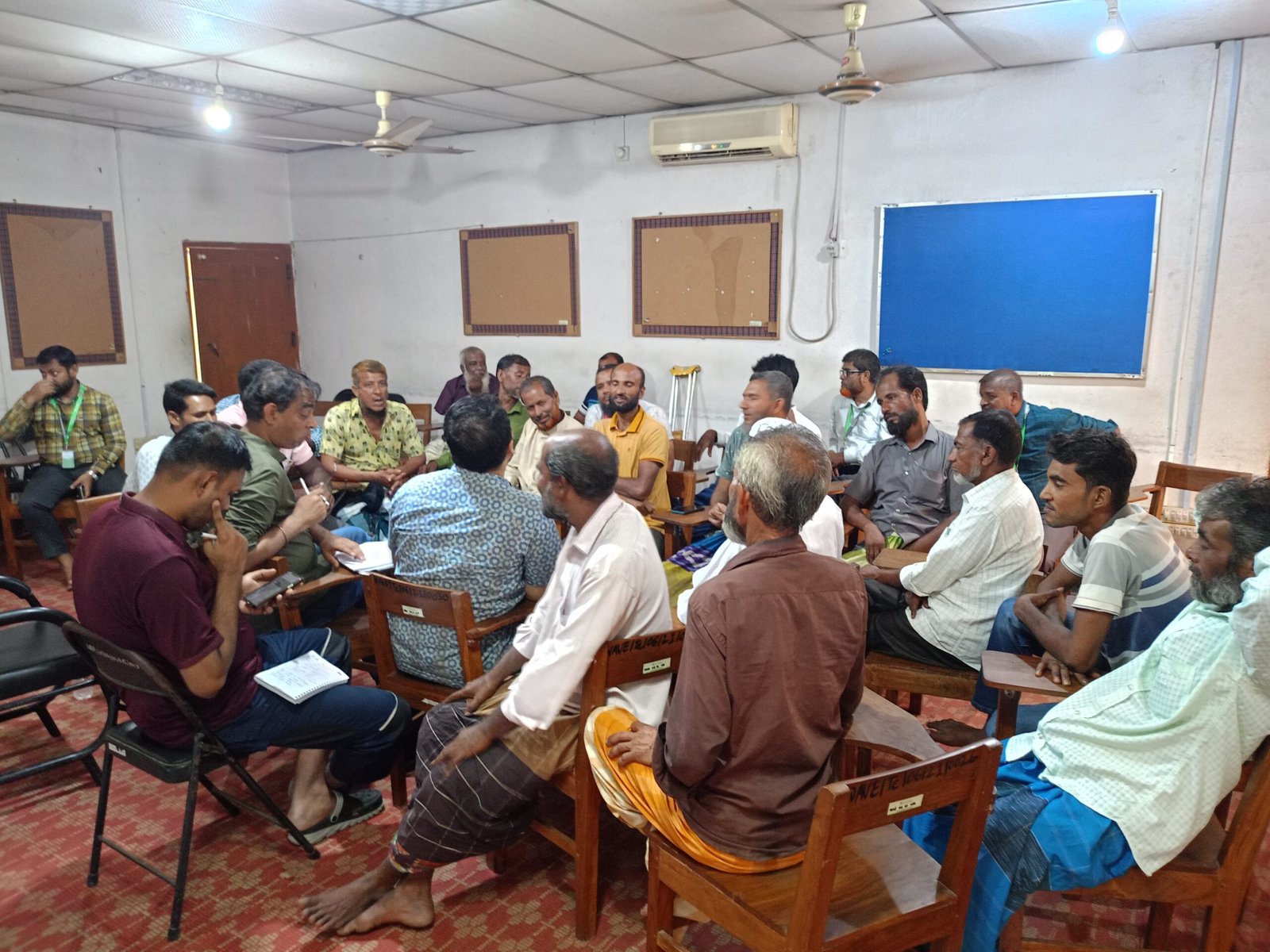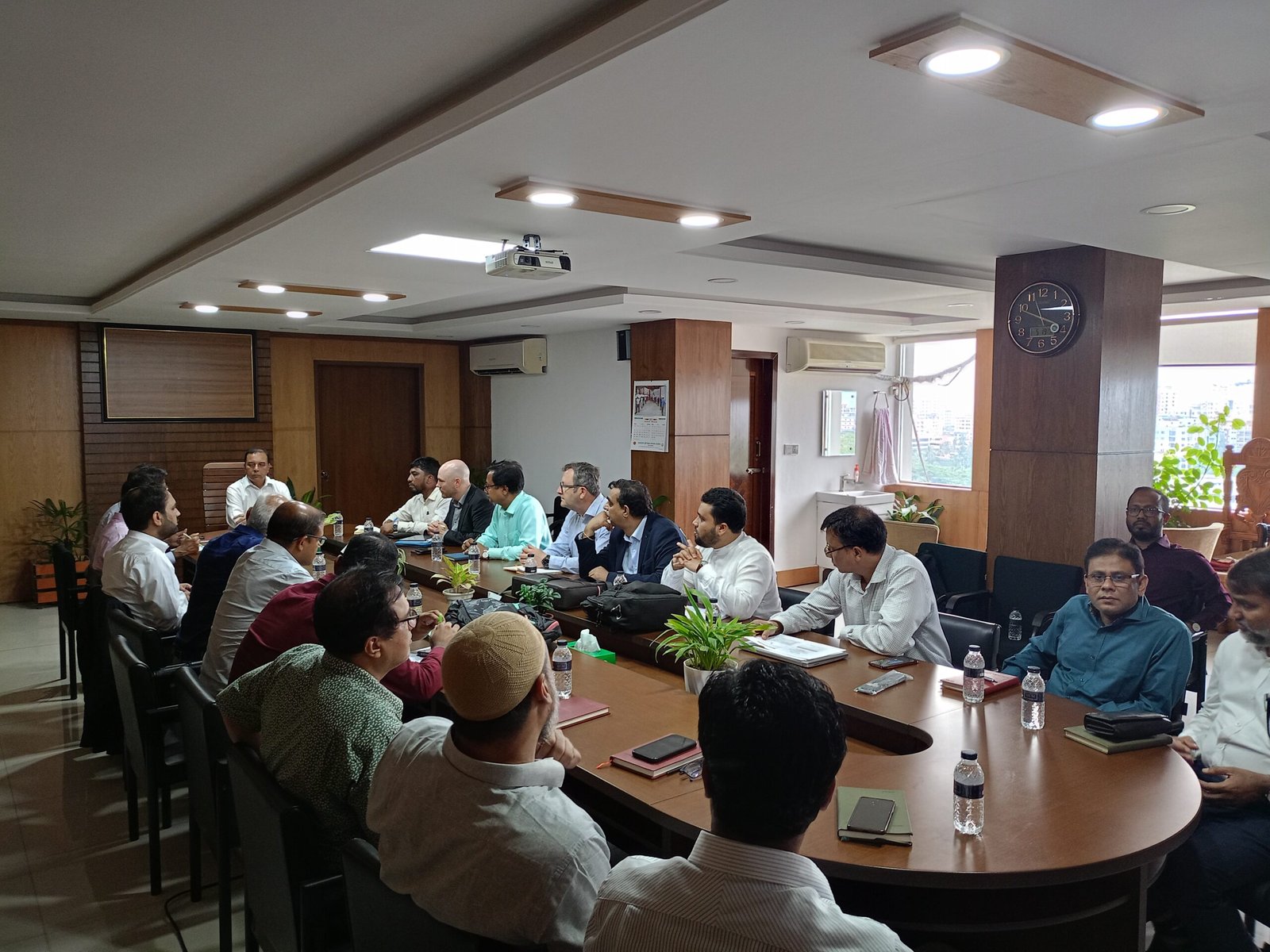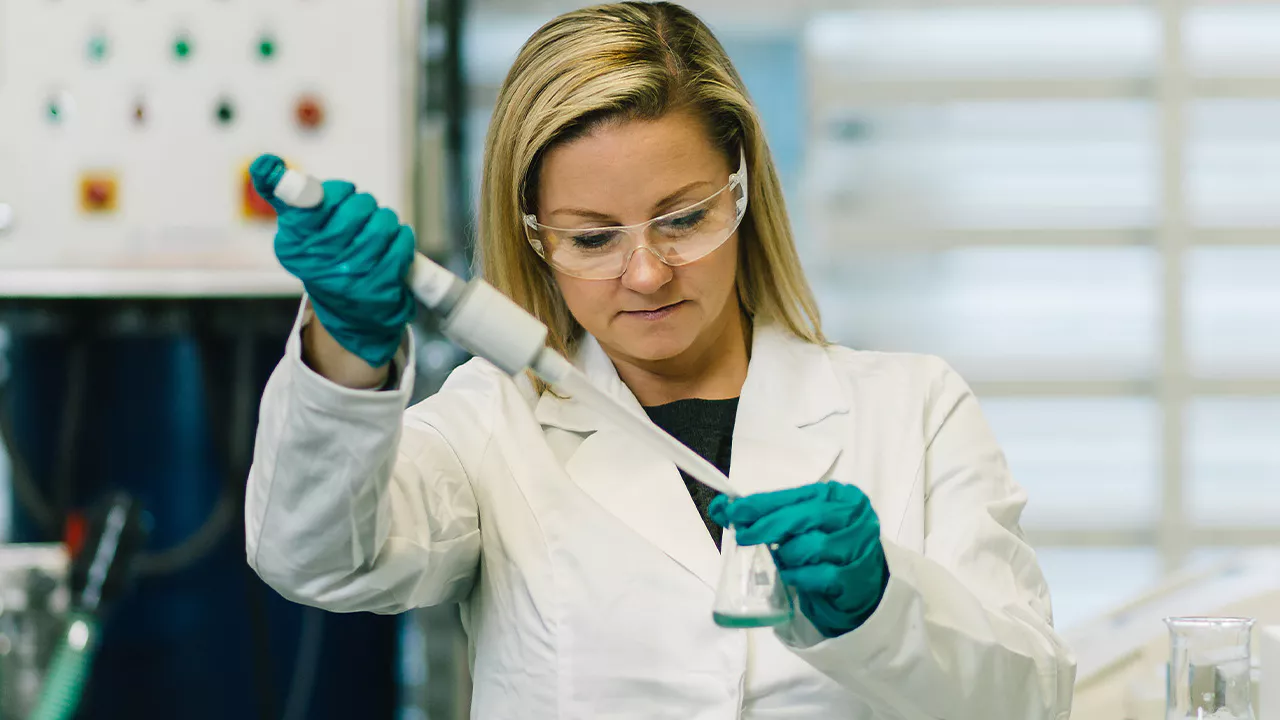
SMART-SIP+' is a £2.6m project that aims to transform the lives of farmers in rural Bangladesh by advancing clean energy and sustainable agriculture led by a team of researchers from Birmingham City University in partnership with Bangladesh Agricultural University and NGOs (Bright Green Energy Foundation , Water & Sanitation for Urban Populations).
This project is funded by UK Research and Innovation’s Ayrton Fund which aims to give developing countries access to the latest cutting-edge tech for reducing their emissions and meeting global climate change targets.
In Bangladesh, more than 60% of the population relies on agriculture for income, yet most of the country’s 1.6 million irrigation pumps still run on imported diesel fuel. This makes them a big contributor (3 MTCO₂e) to the country’s carbon emissions, air pollution and trade balance. Replacing these diesel-powered pumps by Solar Irrigation Pumps (SIPs) is seen as an effective means of overcoming these issues and the Asian Development Bank has proposed a roadmap for the installation of 45,000 SIPs to replace nearly 200,000 of the diesel-powered pumps by 2035.
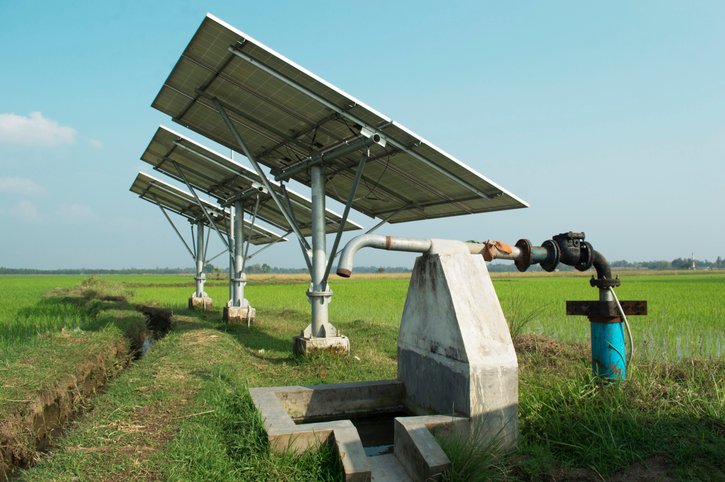
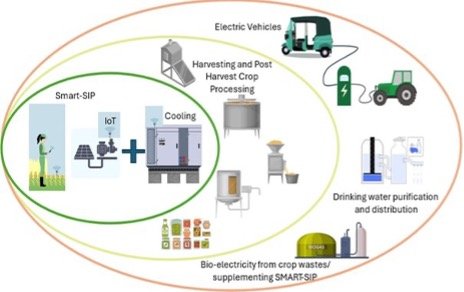
Irrigation is required on a full-time basis for only around 100 days per year, and at an average of around 50% usage for a further 100 days. So around half of the solar energy generated by the SIP is wasted. The Smart-SIP+ project seeks to harness this excess electricity to drive a large-scale clean energy transition in rural communities. Smart-SIP+ aims to develop smart energy systems that channel the surplus electricity towards local agricultural needs, such as sustainable cooling, post-harvest management, and food processing.